CPCS vs NPORS: Which Plant Operator Card Do I Need?
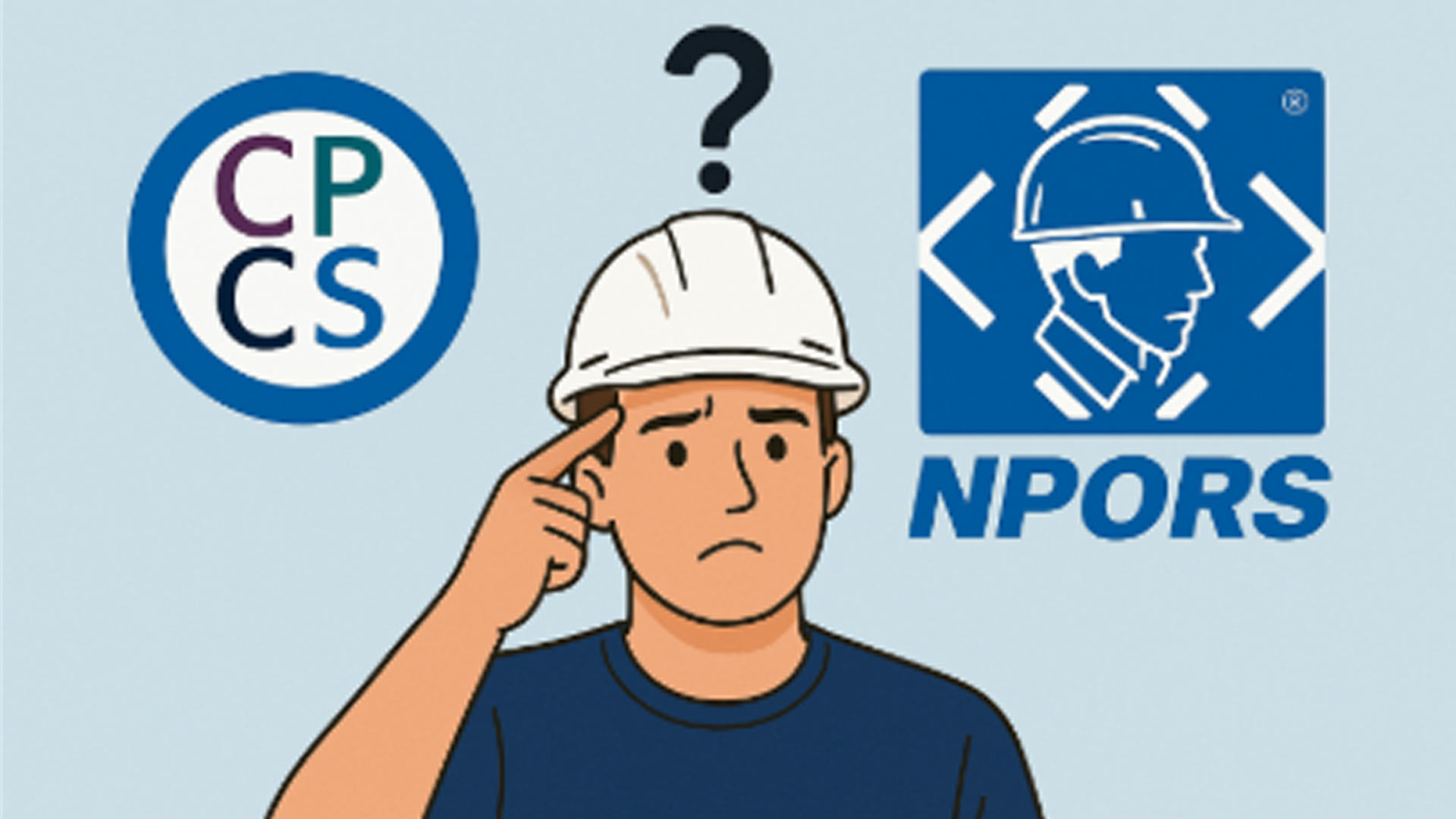
If you’re looking to operate construction plant in the UK, you’ve probably come across two names: CPCS and NPORS.
But what’s the difference between them, which card do you need, and which option is best for your career?
The answer depends on your experience, the type of plant you operate, where you work and what your employer or site requires.
In this guide, we explain the key differences between CPCS and NPORS and what you should consider before booking your plant operator training.
What is CPCS?
CPCS stands for the Construction Plant Competence Scheme.
It is one of the main competence schemes used within the UK construction industry for plant operators. CPCS provides a recognised way of demonstrating that an operator has the appropriate training, testing and competence for the category of plant they operate.
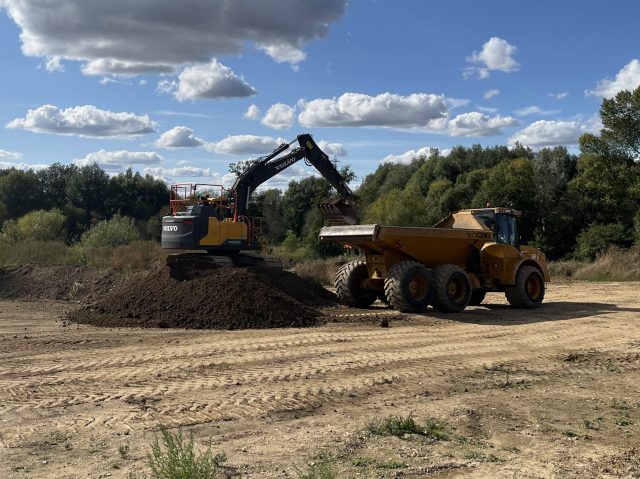
CPCS covers a wide range of construction plant, including machinery such as:
- Excavators
- Dumpers
- Telehandlers
- Dozers
- Loading shovels
- Rollers
- Lorry loaders
- Other specialist plant
If you’re working on major construction sites, CPCS may be specifically requested by a principal contractor or employer.
What is NPORS?
NPORS is the National Plant Operators Registration Scheme.
Like CPCS, NPORS provides a route for plant operators to demonstrate their competence and obtain recognised certification for operating construction plant and equipment.
NPORS covers a broad range of plant and machinery and can be particularly useful for operators and employers looking for a flexible training and assessment route.
There are different routes available depending on the operator’s experience and the requirements of the job.
CPCS vs NPORS: What’s the difference?
Both schemes are designed to demonstrate competence, but they aren’t identical.
One of the biggest considerations is what your employer or the site you are working on requires.
The important point is that there isn’t one card that is automatically “better” for every operator.
What does the site or employer require?
If a particular project requires CPCS, then CPCS is likely to be the appropriate route.
If your employer accepts NPORS, NPORS could be a suitable and flexible option.
If you’re unsure, it’s worth checking before booking your course. Choosing the wrong route could mean spending time and money obtaining a qualification that doesn’t meet the requirements of the job you want to do.
Which is better for a new plant operator?
If you’re new to operating construction plant, both CPCS and NPORS can provide routes into plant operator training.
The important thing is choosing the correct course for:
- The machine you want to operate
- Your current experience
- The type of work you want to undertake
- The requirements of your employer
- The requirements of the sites where you intend to work
For example, someone wanting to become an excavator operator may need a different training route from someone wanting to operate a telehandler or dumper.
At Construction Training Services, training is available for a wide range of plant categories, with options for both novice and experienced operators.
What if I’m already an experienced plant operator?
If you’ve been operating machinery for years but don’t currently hold the relevant formal qualification, you may not necessarily need to start from the same point as a complete beginner.
There are assessment and experienced-worker routes available for some plant categories.
However, your previous experience, the machine category and the certification route you’re applying for will all matter.
It’s therefore important to discuss your experience with the training provider before booking.
Do I need CPCS or NPORS to operate plant?
There isn’t one universal answer.
The requirements can vary depending on:
- The machine you’re operating
- Your employer
- The construction site
- The principal contractor
- The type of work you’re carrying out
- Your existing qualifications and experience
Some employers and sites may specify a particular scheme.
That’s why it’s always worth checking the requirements before you commit to training.
What plant can I train for?
The construction industry uses a huge range of plant and machinery, and training is available for many different categories.
Depending on the scheme and course, this can include:
Excavators
Excavator training can cover different machine sizes and categories, including 360 excavators.
Telehandlers
Telehandler training is designed for operators who need to safely and competently operate telescopic handlers.
Dumpers
Dumper training is available for operators working with different types of site dumpers.
Dozers
Dozer training provides a route towards demonstrating competence in operating bulldozers and related plant.
Loading shovels
Loading shovel training is suitable for operators who need to demonstrate competence using loading equipment.
Rollers
Road roller training is available for operators working with compaction equipment.
There are many other plant categories available, so if you’re not sure which course applies to your machine, speak to a training provider before booking.
CPCS vs NPORS: Which should I choose?
If you’re still unsure, use these questions as a starting point:
1. What machine do you need to operate?
Start by identifying the exact plant category.
2. Are you a novice or experienced operator?
Your previous experience can affect which training or assessment route is appropriate.
3. What does your employer require?
Always check with your employer or the site where you’ll be working.
4. What certification does the project accept?
Some projects have specific competence requirements.
5. Are you looking for a particular career path?
If you’re planning to work on major construction projects or progress your career, discuss your longer-term plans with your training provider.
Get advice before booking your plant training
Choosing between CPCS and NPORS doesn’t need to be complicated.
The best route depends on your experience, the plant you operate and where you intend to work.
Construction Training Services provides CPCS and NPORS training across a wide range of construction plant categories from its training centre in Suffolk.
If you’re not sure which qualification you need, speak to our training team before booking. They can help you identify the appropriate course based on your experience and training requirements.